Transition Confidence Program
A New School Changes More Than Your Child’s Schedule.
It changes the rhythm of the whole family.
You found the school. You prepared your child. But you may still be wondering:
Will they understand my child when I’m not there to explain things?
The Transition Confidence Program provides personalized virtual support for families globally navigating a new school, city, country, language, or culture.
Designed for children from infancy through high school, the program helps parents approach transition with greater clarity, confidence, and a plan, wherever their child’s new school may be, in the U.S. or internationally.

Who the Program Is For
For Families Navigating More Than a School Change:
Bilingual, multilingual, and multicultural families
Diplomatic and internationally mobile families
Children starting school for the first time
Families changing schools, cities, countries, or educational systems
Parents concerned about separation, belonging, adjustment, or communication with a new school or environment
Sometimes the challenge is not simply entering a new classroom. It is learning how to belong in an entirely new environment.
What We Help Parents Do
Prepare meaningfully without creating unnecessary anxiety
Build predictable routines that give children stability during change
Communicate effectively with new school administrators and teachers and know what questions to ask
Recognize the real signs of adjustment beyond whether a child stops crying or says, “I’m fine”
Navigate language and cultural differences between home and school
Know when to step in and when to give your child room to grow
Every Age Transitions Differently
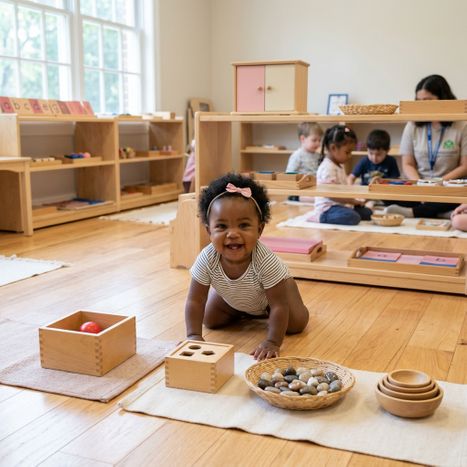
Early Years
Separation, routines, attachment

Elementary Years
Friendships, confidence, belonging

Middle & High School
Identity, social dynamics, academic expectations
A transition plan should reflect the child and not just the school.
The Deeper Promise
A successful transition does not mean there will never be hesitation, difficult mornings, or moments when a child misses what was familiar.
It means that, over time, your child begins to feel secure enough to think:
I understand what is happening here.
I know who I can turn to.
I can be myself here.
I belong.
And when a child begins to feel that kind of confidence, parents can begin to feel it too.
Your New Beginning Deserves More Than a Checklist.
It deserves a transition strategy.
Tell us what concerns you most about your family’s transition. We will help you begin with a plan.
What concerns you most about the transition?